Should the space define the lighting, or should the lighting define the space?
The more complex the project, the less useful it becomes to think of lighting control as a standalone system. Lighting has moved beyond simply illuminating a space. It now needs to respond to how that space is used, how it changes and how it interacts with the systems around it.
At Creation, we see this across hospitality, cultural landmarks, residential and mixed-use developments, the public realm and more. What matters is understanding the character and operation of the space first, then determining how the lighting should respond.
When Lighting Has To Think Beyond The Fixture
THE SPACE DEFINES THE RESPONSE
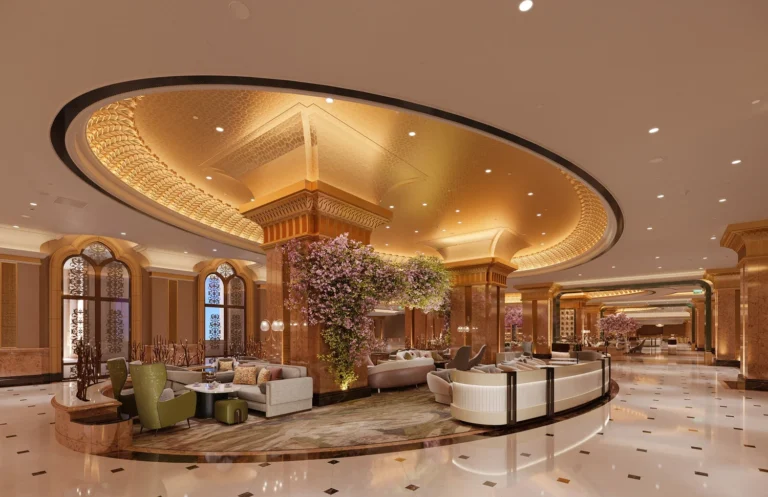
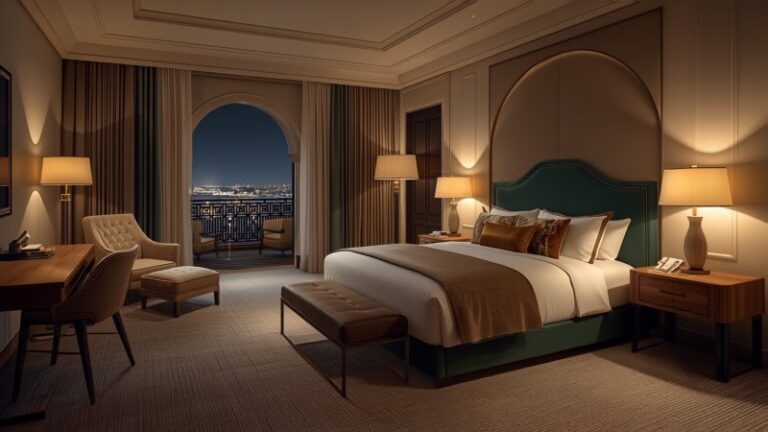
A hotel calls for warmth and consistency. An exhibition calls for precision and control. A restaurant needs an atmosphere that can shift from a quiet afternoon to a full evening service. Even within one development, different environments demand different lighting responses.
Sensors, schedules, dimming and preset scenes support everyday operation, while manual overrides allow for human intervention when needed. In more complex environments, lighting controls must also coordinate with BMS, AV and access-control systems. The technology is familiar. What sets a project apart is the judgement behind it: knowing how that technology should behave within the space it is designed to serve.
WHEN LIGHTING BECOMES PART OF THE EXPERIENCE
The difference becomes particularly clear when a space needs to change character.
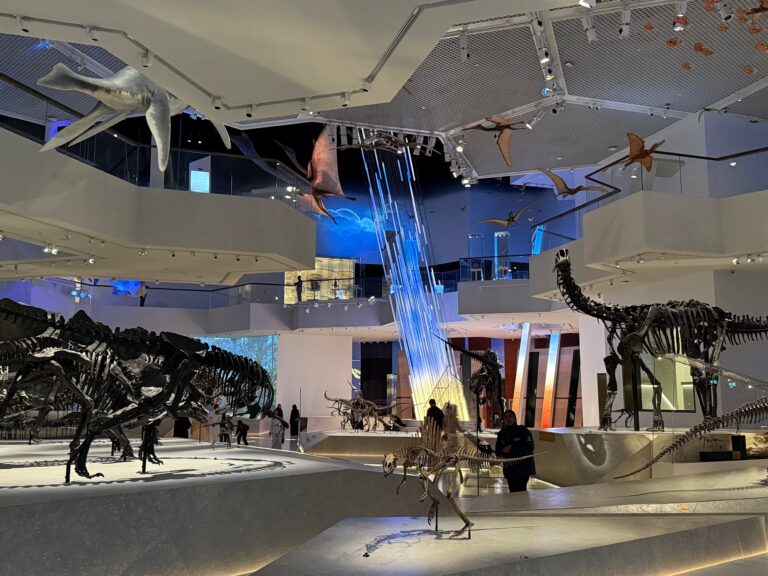
At Natural History Museum in Abu Dhabi, lighting extends beyond illumination. DMX programming was used to create rain and river effects within an exhibition, bringing movement and atmosphere into the experience.
At INA at J1 Beach, architectural and dynamic lighting were brought together through a unified control backbone, with Madrix, grandMA3 and MIDI supporting changing dining and event conditions.
In both environments, the control system is doing more than managing light. It is responding to what each space needs to be at a particular moment.
THE WORK BEHIND A SEAMLESS EXPERIENCE
The most successful control systems are often the ones that attract the least attention.
The scene changes. The space responds to movement. An operator adjusts the setting. Different systems communicate. To the user, the experience remains simple. Behind it sits programming, configuration, coordination, testing, and commissioning, all working together to deliver the intended result.
The complexity becomes greater when a development brings together interiors, landscapes, exhibitions, restaurants, conference spaces, façades and more. Each environment has its own operational requirements, yet the wider control approach still needs to remain coherent. The objective is not to make every space behave the same. It is to create a control environment that allows each space to perform as intended
CREATION VIEW | THE CONTROL STRATEGY IS PART OF THE DESIGN
The lighting fixture delivers the light. The control strategy determines how that light behaves.
Before defining the system, the more important questions are often about the space itself:
How will it be used? What needs to change? Which systems need to communicate? Where does operational flexibility matter?
The answers shape the control architecture long before the first scene is programmed.
For Creation, intelligent lighting is ultimately about making technology serve the space, rather than allowing the technology to define it.
The intelligence stays behind the light. The experience moves forward
Before defining the control strategy, understand how the space is used, how it changes and what it needs to respond to. Consider its operational patterns, user interaction and the systems that need to communicate. The strongest lighting strategies do more than add technology. They create the right response for the space while keeping the experience intuitive.